降本增效方法之一:智能化流量调节仪-石油圈
| 所在地区: | 吉林-白城-大安市 | 发布日期: | 2020年12月2日 |
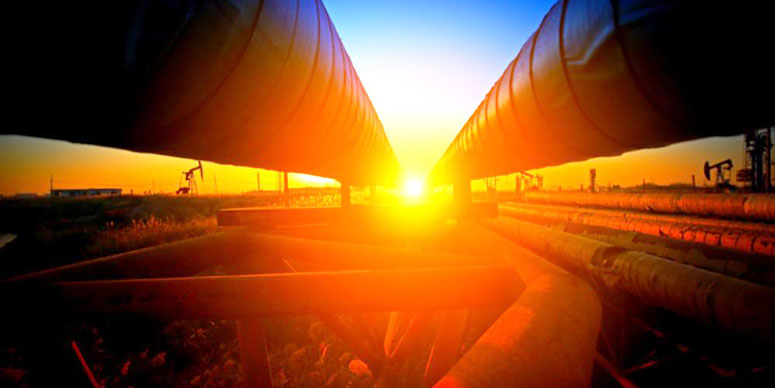
通过应用智能化流量调节仪器,助力企业降本增效。
编辑 | 大安
提高流量测量的精度,既能实现质量改进,还能显著降低成本,更具竞争优势。在油气生产、管道输送、炼油厂和众多其他类型的石化工厂中,对气体、蒸汽、液体或泥浆的精确测量都是至关重要的。
不幸的是,流量测量经常是事后才引起重视——尤其是在许多工厂扩建、设备升级和改造项目中。流量开关和流量计的选择与部署都需要事先仔细斟酌。在应用中选择不当的流量监测技术,或者流量测量仪位置过于靠近泵或阀门,这可能会缩减潜在的成本节约量,并经常导致不必要的更换或拆迁。
然而,若公司对新型或升级版流量仪表提前进行周密规划,则会带来诸多益处:
降低仪表的初始安装成本,快速投入应用;
燃烧器、锅炉、风扇或烘炉的耗能成本降低;
更有效地消耗工艺产生的气体,比如氯气或氮气;
降低工艺用水量,并减少废水量;
降低工厂设备维护或更换的频率。
存在的问题
每家企业都应该拥有一位高水平的仪表工程师,熟悉当前市场上所有的流量测定技术并具有丰富的应用经验。企业的采办预算足够买市面上性能最优良的设备,一流的维保团队负责安装。
优化企业流量仪表的最有效方法可以归纳为四大指导方针:
- 一定要为工艺介质选择合适的流量传感技术;
- 未雨绸缪,提前了解安装和维护要求;
- 需要考虑其他就近设备对仪表的影响;
- 预计需要流量调节器或流量矫正器来确保准确性。
流量测量技术
在选择适宜的流量传感技术时,首先应考虑测量的工艺介质:空气、气体、蒸汽、液体或泥浆。不存在“一刀切”的概念,也就是说任一种流量传感技术并不适用于所有的介质环境,比如有些技术可以测量泥浆,而有些则根本不能。
业内主要的流量传感技术包括科里奥利效应(质量)、压差、电磁、正位移、热量(质量)、涡轮、超声波、可变面积和旋涡脱落。
潜在的安装难题
在安装流量仪表(尤其是流量计)时,最常见的问题之一是仪表上游和下游的直管段长度不足。在购置特定流量计之前,有必要咨询制造商核实设备规格,以确定必需的直管段长度要求。如果做不到这一点,通常会导致待测液体出现非对称流动,进而会影响测量的准确性。
附近的管道弯头、伸缩管、贴近流体的螺旋管和其他仪表通常会进一步加剧直线流程不足的问题。空间紧张导致的高密度设备布局和糟糕的管道布局共同作用,改变了工艺介质的切向、径向和轴向速度矢量,最终导致气流扰动,包括涡流、喷射和速度剖面畸变。
当管道中产生扰流时,流量计、泵和其他设备的性能很可能深受影响。例如,对于流量计,工艺材料的不规则流动对许多最流行的流量传感技术(压差、涡轮、电磁、热量、超声波与旋涡脱落)的准确性和可重复性会产生消极影响。根据流量传感技术的不同,直管流量对流量计的直径要求从10到20甚至更大。
解题秘钥
为了减少涡流等管道内的扰流对流量测量精度的影响,使用流量调节器是最简单和最有效的解决方案之一。在工艺流程中加入流量调节器,通常可以将流量仪器的准确性与可重复利用率提高50%以上。
例如,添加了流量调节器的热式质量流量计可以把精度从标准的±2%提升到±1%。在一年的时间内,这种精度的提高可使燃气锅炉节省大量费用。
有许多不同种类的流量调节器技术:
- 多孔板通常用于天然气、清洁气体或液体介质管道,安装简单,不需要阀芯片,但流通含杂质的气体时容易堵塞。
- 板式流量调节器在清洁/含杂质的气体或液体中表现良好,其优异的交叉混合功能能够有效消除涡流影响,并在产生最小压降的情况下修正速度剖面。
- 由于蜂窝叶片式调节器可以提供空气流量剖面修正,故常应用在暖通空调或压缩空气处理系统中,其有多样化的设计与材料,便于用户选择。
- 制冷管束和叶片已经使用了数十年,管束能有效去除涡流影响,但有冻结速度场的趋势,因而它们不能有效隔离及纠正流场畸变的异常现象。
上述提及的技术手段都有其优缺点,这取决于工艺和设备情况。综合考虑工艺介质、工厂设备、环境要求与其他规章、维保计划等多方面因素,公司一般可得出1~2个最优解决方案。
但需切记,流量调节器在纠正流量剖面畸变方面越有效,则它所产生的压降就越大。当目标是降低能耗或泵送成本,或者需要加快产品吞吐量时,企业则希望将水头损失或压降降到最小。
板式流量调节器(图1)在考虑压降影响方面,已被证明是一款有效的解决方案,在其标准化直管结构中,Vortab流量调节器在标准化直管内部设计有一小段的抗涡流直板,还分布有3排流量剖面修正直板。
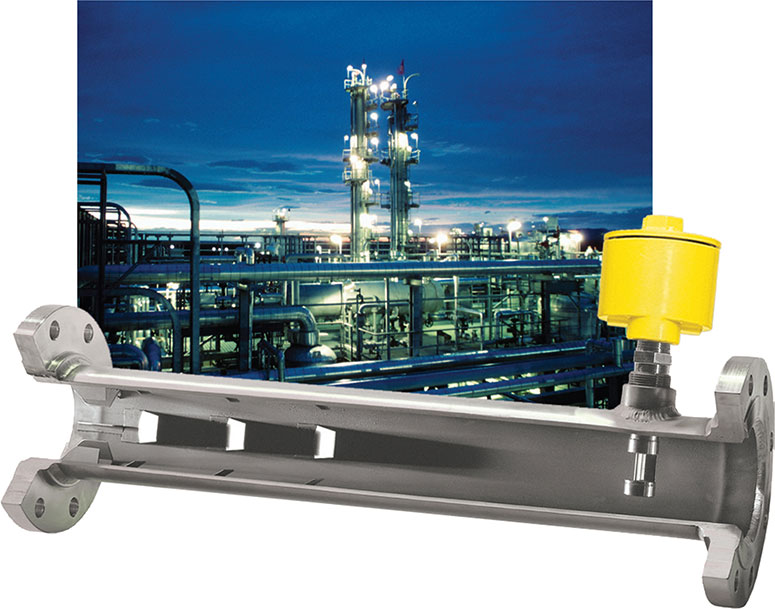
图1 ?带质量流量计的板式流量调节器
基于板式流量调节器的抗涡流与剖面修正直板的综合效果,在管道出口处能形成一个可重复的、平坦的速度剖面。弯头流量调节器也可以采用类似的流量调节技术(图2),企业有时需要安装弯头来为管线规定路径,以支持工艺所需的设备布局。
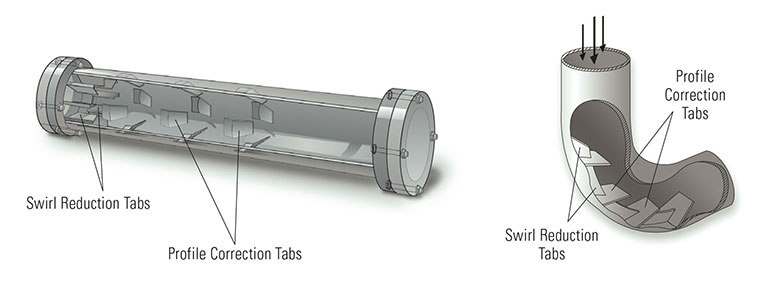
图2? 直管和弯管板式流量调节器
在油气生产、精炼和管道供应等流程中,均需部署不同类型的流量仪表。通过安装板式流量调节器,这些流量仪表均可从中受益。
例如,在一个海上石油泵站,工艺工程团队需要增加一个泵来增加液体流量。注入泵的弯头进口端是20英寸,出口端直径减小至12英寸(图3)。
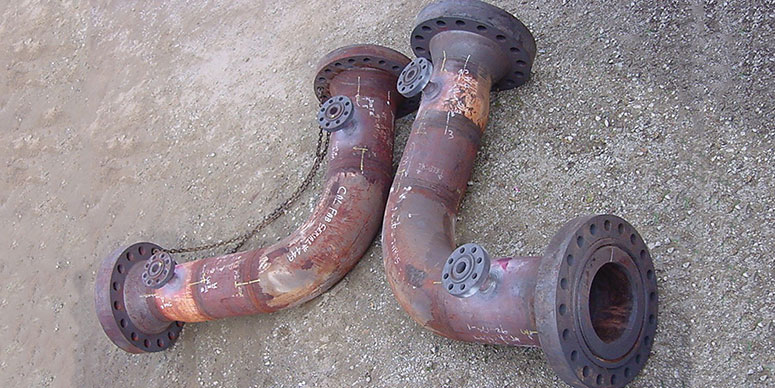
图3 ?海上石油泵站弯头
工程师很快就发现,没有足够的空间来满足泵的直线流量要求,也没有办法扩大平台来适应管道运行。通过在弯头上安装一个板式弯头调节器,完美解决了空间问题,确保了经过适当调节的流量进入泵内,节省了大量成本,并为其他可能的用途腾出了空间。
类似的情况也存在于炼油厂或管道泵站,这些泵站和弯头拥挤在有限的空间内,还必须满足对气体或液体流量精确测量的要求。
在另一家工厂,工程团队需要增加两个相同的14英寸离心泵,把水注入主锅炉。泵的配置要求管路尺寸从弯头处的16英寸减小至泵进口处的14英寸。这些泵由350马力的电动马达驱动。
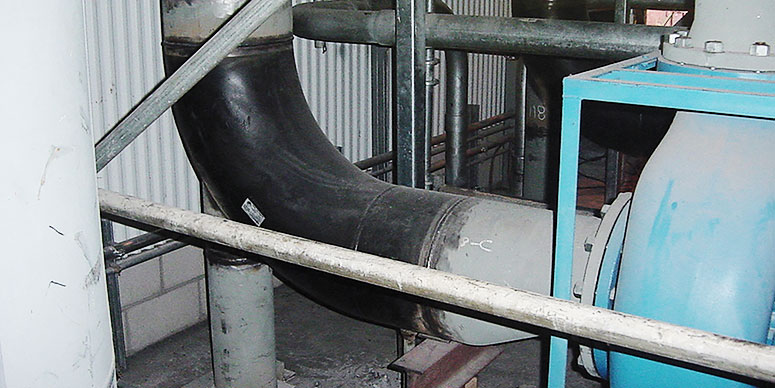
图4 ?带插入面板板式调节器的泵连接弯头
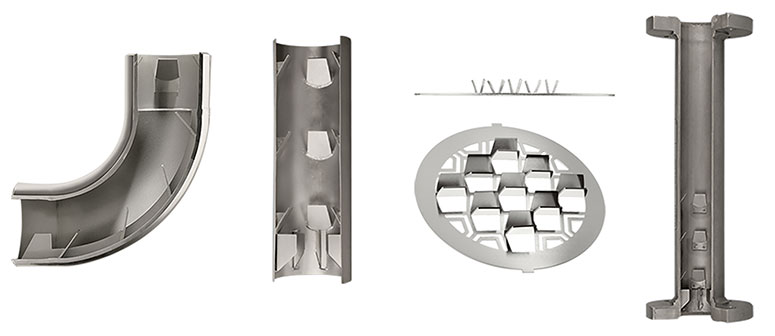
图5 ?在直管、插入面板、仪表运行中的板式调节器设计
在安装水泵时,发现室内设施没有足够的空间使上游管道进入水泵(请注意图4中水泵非常靠近建筑物墙壁)。在弯头上安装一个板式流量调节器,弥补了缺少必要直管的问题,并使进入水泵的流体速度剖面均匀分布。
板式流量调节器不仅适用于弯管和水泵,还可应用于直管、插入面板、仪表运行等配置中(图5)。当设备或仪器因空间紧张导致直管长度不足时,流量调节器是一个有效的解决方案。
结论
企业在选择合适的流量仪表并实现有效安装前,需要提前进行周密计划,包括对工艺介质与安装位置的考量。在适当的情况下,添加流量调节器可以优化流量仪表和泵、阀门等其他设备的工作性能。
Tech Spotlight: Optimizing Flow Measurement Accuracy to Reduce Costs Smart flow conditioning projects pay for themselves, says Don Lundberg, senior engineer at Fluid Components International.
Plant projects that optimize flow measurement accuracy can result in significant cost savings while offering quality improvements and even a competitive advantage. The accurate measurement of gases, steam, liquids and slurries is critically important in oil and gas production, pipelines, refineries and many other types of petrochemical plants. Unfortunately, the measurement of flow is often an afterthought—especially in many plant expansion, equipment upgrades and retrofit projects. The selection and placement of flow switches and flowmeters requires careful advance thought. Choosing the wrong flow sensing technology for an application or placing the flow instrument in the wrong location too closely to pumps or valves can eliminate potential cost savings and it frequently results in unnecessary replacement or relocation projects.
Careful planning for new or upgrade flow instrumentation in a company’s process, however, offers many advantages: ? Reduced initial instrument installation costs and faster startup; ? Lower energy costs to run burners, boilers, fans or ovens; ? More efficient consumption of process gases, such as chlorine or nitrogen; ? Lowering the consumption of process water and wastewater; and ? Less frequent plant maintenance and equipment replacement.
The problems Every plant in a perfect world would have an instrumentation engineer on staff who is familiar with all the different flow technologies on the market, has experience applying them in multiple processes or industries, enough budget to buy the best equipment and a great maintenance team to do the installation. The best and most effective ways to optimize the plant’s flow instrumentation can be summed up with four broad guidelines: 1. Be sure to select the appropriate flow sensing technology for the process media; 2. Think ahead, in advance about the installation and maintenance requirements; 3. Don’t forget to consider the impact of other equipment near flow instrumentation; and 4. Anticipate the need for a flow conditioner or flow straightener to ensure accuracy.
Technologies for flow measurement The first consideration when choosing a flow sensing technology should always be the process media to be measured: air, gas, steam, liquid or slurries. There is no “one size fits all,” meaning all flow sensing technologies perform best in one or two media, such as gas or liquids. For example, some sensor technologies will measure slurries—and some won’t at all. The industry’s major flow sensing technologies available include coriolis (mass), differential pressure, electromagnetic, positive displacement, thermal (mass), turbine, ultrasonic, variable area and vortex shedding. Potential installation problems
One of the most common issues when installing flow instruments, especially flowmeters, is an inadequate straight run upstream and downstream from the instrument. In advance of making any hard decisions about a particular flowmeter, consult the manufacturer’s specification to determine the necessary straight pipe run. Failure to do so often results in a “do not pass go” situation and not achieving a “first-time right” solution. Nearby piping elbows, expansions or reductions, and/or or spiral piping in close proximity to flow and other instrumentation often further exacerbates the problem of inadequate straight runs. High-density equipment layouts without enough space and poor piping layouts all work together to alter the process media’s tangential, radial and axial velocity vectors. The final result is flow disturbances, including swirl, jetting and velocity profile distortions. When flow disturbances are created in pipelines, there is a high probability of a significant impact on the performance of flowmeters, pumps and other equipment. For example, with flowmeters, the irregular flow of process material adversely affects the accuracy and repeatability of many of the most popular flow sensing technologies: differential pressure, turbine, magnetic, thermal, ultrasonic and vortex shedding. Depending on the flow sensing technology, the straight pipe run requirements for flowmeters varies from 10 to 20 or more diameters.
The answers To reduce the impact of swirl and other flow disturbances in the pipe on flow measurement accuracy, one of the simplest and most effective solutions is the use of flow conditioners. With the addition of a flow conditioner in the process stream, it is often possible to increase the accuracy and/or repeatability of a flow instrument by 50% or more. Thermal mass flowmeters with the addition of a flow conditioner, for example, can be optimized to perform at ±1% accuracy instead of their standard ±2% accuracy. That type of accuracy improvement can lead to large savings in controlling expensive natural gas fed burners for plant boilers over a year’s period of time. There are many different kinds of flow conditioner technologies: ? Perforated plates are often chosen for use in natural gas pipelines or other clean gases and liquid applications. They are simple to install and require no spool piece, but they can be prone to clogging in dirty gas. ? Tab-type conditioners perform well in clean or dirty gases and liquids because of the tapered design of their tabs. They provide excellent cross-mixing to remove swirl and correct velocity profiles with minimal pressure-drop. ? Honeycomb vane-type conditioners are frequently selected in HVAC or compressed air handling system applications where they provide air flow profile corrections. A wide variety of different designs and materials are available. ? Tube bundles and vanes have been used for decades. Tube bundles are effective at removing swirl but have the tendency to freeze the velocity profile; therefore, they are not as efficient at isolating and correcting flow distortion anomalies. All of these technologies have their advantages and/or disadvantages, depending on the process and plant. Thinking about the process media, the plant’s equipment, environmental or other regulations, and maintenance schedules, a company will be able to narrow the field to one or two best choices. Always remember, in general, that the more effective flow conditioners are at correcting flow profile distortions, the more pressure drop they can produce. When the goal is to lower power consumption or pumping costs or there is a need to speed product throughput, then the company will want to minimize head loss or pressure drop. When considering the potential impact of pressure drop, for example, one of the flow conditioning technologies that has proven itself effective is the tab-type flow conditioner (Figure 1). In its standard straight tube configuration, the Vortab Flow Conditioner consists of pipe fitted with a short section of swirl reduction tabs combined with three arrays of profile conditioning tabs. FIGURE 1. Tab-type flow conditioner with mass flowmeter
The combined effect of the tab-type conditioner’s anti-swirl and profile conditioning tabs creates a repeatable, flat velocity profile at the outlet of the pipe. An elbow flow conditioner also can be configured with the same tab-type flow conditioning technology (Figure 2), where an elbow must be installed to route the piping to support the required equipment layout of the process. FIGURE 2. Pipe straight-run and elbow tab-type conditioners Many hydrocarbon production, refining and pipeline distribution processes require different types of flow instruments that can benefit from the installation of tab-type flow conditioners.
At an offshore oil pumping station, for example, the process engineering team needed to add a pump to increase liquid capacity. Elbows feeding into the pump consisted of a 20-inch inlet and reduced down to a 12-inch section (Figure 3). FIGURE 3. Elbows for offshore oil pumping station The engineer quickly determined there was no room for the pump’s required straight run and no way to expand the platform to accommodate the pipe run. By inserting a tab-type elbow conditioner in the elbow itself, the engineer solved the space problem by ensuring a properly conditioned flow entering the pump at a large cost savings and freed real estate for other possible uses. Similar situations exist in refineries or pipeline pumping stations where pumps and elbows must operate in crowded conditions while the simultaneous need for accurate gas or liquid flow measurement must be accommodated.
At another plant, the engineering team needed to add two identical 14-inch centrifugal pumps to feed water into its main boilers. The pump configuration required that the line size drops from 16 inches at the elbow to 14 inches at the pump inlet. These pumps are powered by 350-hp electric motors. FIGURE 4. Elbow with insertion panel tab conditioner to pump connection FIGURE 5. Tab-type conditioners in straight-run, insertion panel and meter-run designs
Upon installing the pumps, it was found that the indoor facility did not have adequate room for an upstream pipe run into the pumps. Note the close proximity of the building’s wall in Figure 4. Installing a tab-type flow conditioner in the elbow compensated for the lack of the necessary pipe straight-run and provided an equally distributed flow profile entering the pumps.
Beyond accommodating elbows and pumps, tab-type flow conditioners are also available in other configurations, including straight-pipe runs, insertion panels and meter run configurations (Figure 5). No matter the equipment or instrumentation when space is a problem in maintaining adequate lengths of straight pipe, flow conditioners are a useful solution.
Conclusion The first-time right selection of the proper flow instrument and its effective installation can be achieved by thorough advanced planning, including the consideration of the process media and installation location. Where appropriate, the addition of flow conditioners can optimize the performance of flow instruments and other equipment such as pumps and valves.
按照客观、公正、公开的原则,本条信息受业主方委托独家指定在中国建设招标网 www.jszhaobiao.com 发布
注册会员 享受贴心服务
标讯查询服务
让您全面及时掌握全国各省市拟建、报批、立项、施工在建项目的项目信息。
帮您跟对合适的项目、找对准确的负责人、全面掌握各项目的业主单位、设计院、总包单位、施工企业的项目 经理、项目负责人的详细联系方式。
帮您第一时间获得全国项目业主、招标代理公司和政府采购中心发布的招标、中标项目信息。
标讯定制服务
根据您的关注重点定制项目,从海量项目中筛选出符合您要求和标准的工程并及时找出关键负责人和联系方式。
根据您的需要,向您指定的手机、电子邮箱及时反馈项目进展情况。